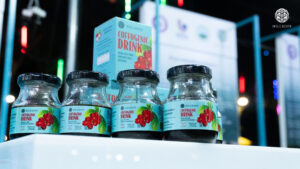
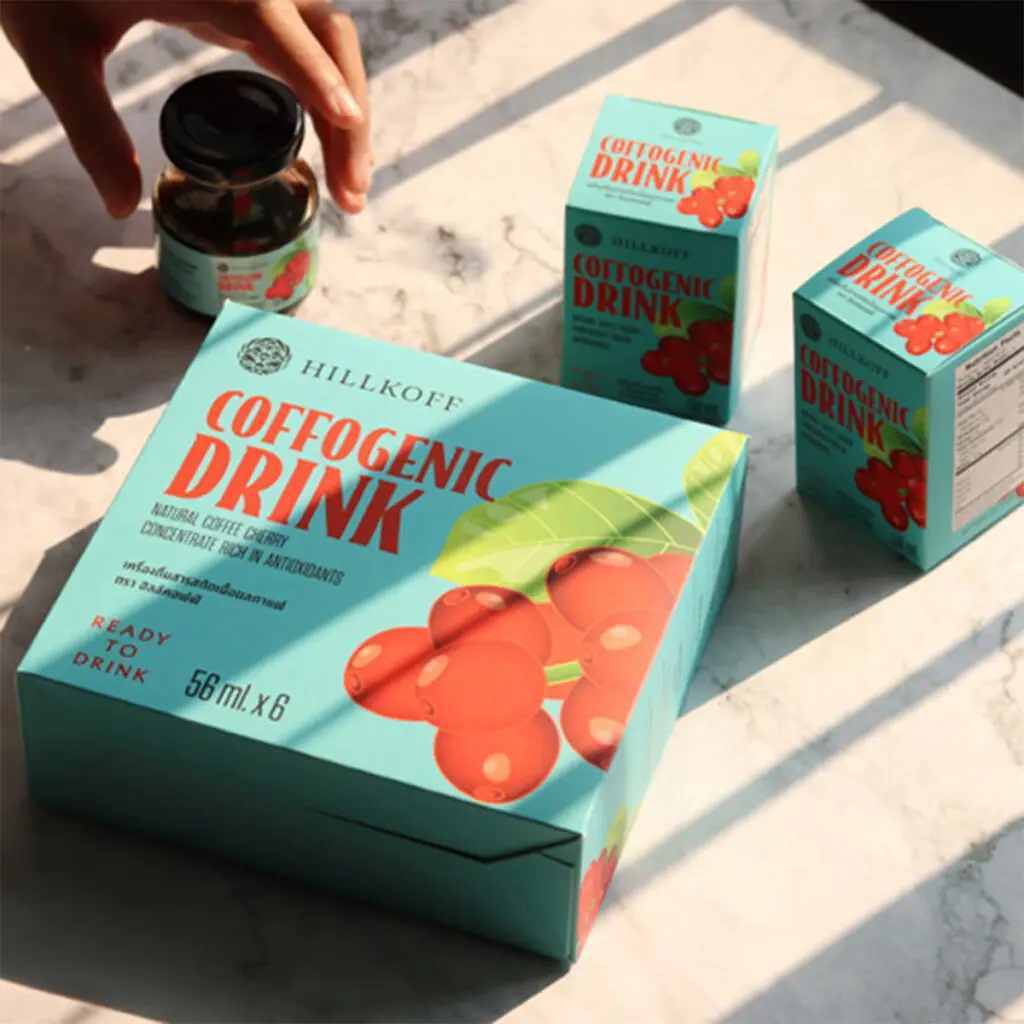
The global coffee industry has long grappled with a significant environmental byproduct: waste. For every cup of coffee brewed, tons of coffee cherry pulp, husks, and mucilage are typically discarded during processing. However, in the hills of Northern Thailand, pioneering enterprises are turning this narrative on its head. Leading this charge is Hillkoff, a renowned Chiang Mai-based coffee brand and social enterprise, through its innovative Coffogenic initiative.
By championing a zero-waste philosophy and embracing the Bio-Circular-Green (BCG) economy, Hillkoff is transforming what was once agricultural waste into high-value functional products, setting a new benchmark for sustainable agriculture.
The Genesis of Coffogenic: Closing the Loop
Traditionally, coffee processing yields only a fraction of the actual cherry as export-ready green beans. The remaining pulp and skin—comprising nearly half of the fruit’s total weight—frequently end up as organic waste or environmental runoff.
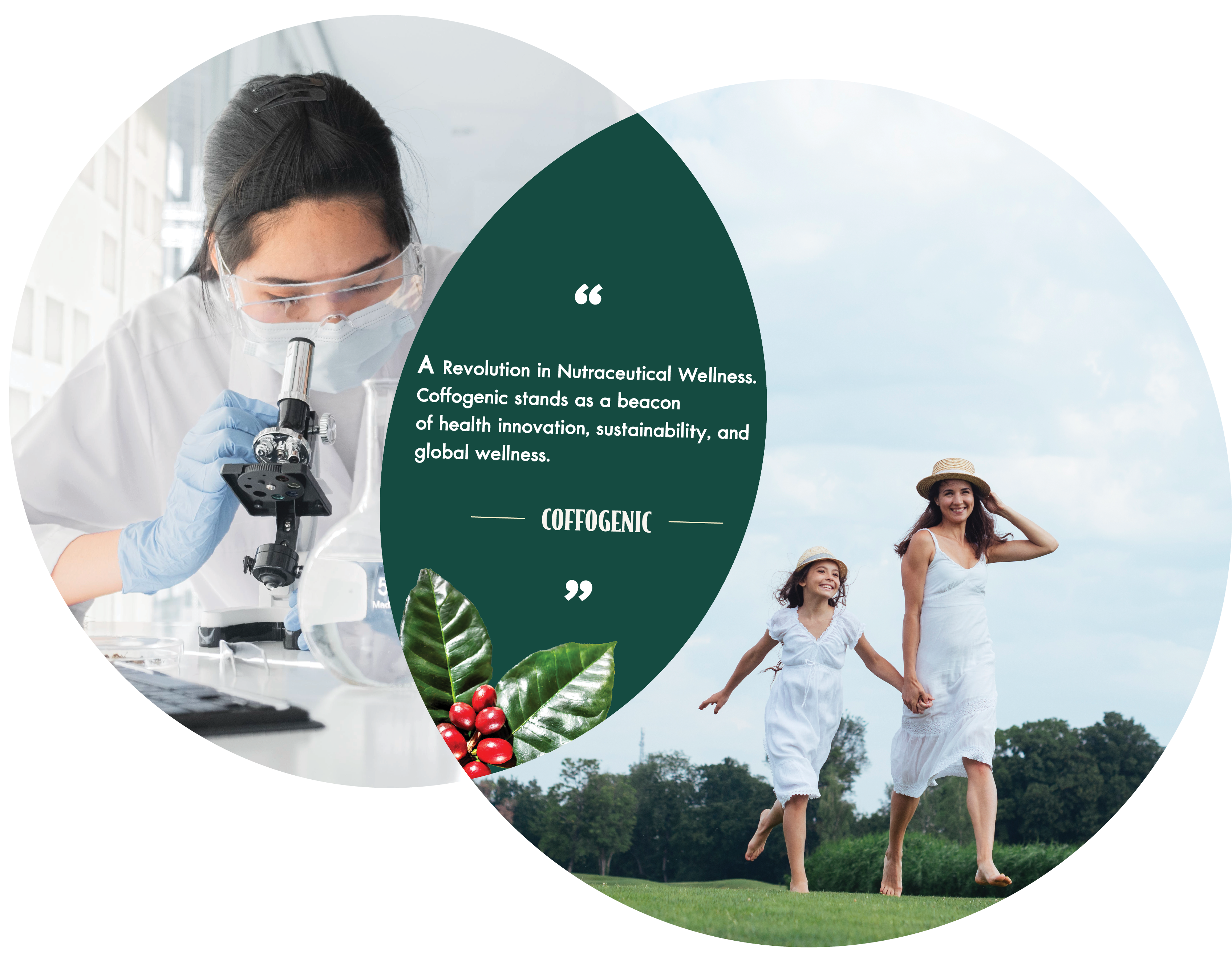
Hillkoff’s Coffogenic concept was born out of a commitment to holistic utilization. Instead of treating coffee processing as a linear path that ends with the green bean, the Coffogenic approach views the entire coffee cherry as a rich reservoir of bioactive compounds, antioxidants, and dietary fibers.
Key pillars of this approach include:
- Upcycling Byproducts: Extracting valuable nutrients and components from coffee cherry husks and cascara.
- Zero-Waste Processing: Minimizing environmental degradation by ensuring every part of the harvest serves a purpose.
- Value Addition: Creating innovative lifestyle, wellness, and agricultural derivatives that benefit both consumers and producers.
Aligning with the Bio-Circular-Green (BCG) Model
Hillkoff’s initiative serves as a practical blueprint for the BCG Economy model, which integrates biological resources, circular economy principles, and green technology.
- Biological Resource Efficiency: By maximizing the yield derived from a single harvest, farmers extract greater economic value per hectare without needing to expand land use.
- Circular Systems: Organic byproducts are cycled back into functional supply chains rather than contributing to landfill overflow or carbon emissions from decomposition.
- Green Innovation: Advanced processing techniques isolate beneficial properties from the coffee cherry, opening doors to functional beverages, cosmetics, and sustainable materials.
Empowering Northern Thai Coffee Farmers
Beyond environmental metrics, the Coffogenic movement carries a profound social impact. Hillkoff has long worked hand-in-hand with indigenous hill-tribe communities and local smallholder farmers in Chiang Mai and surrounding mountainous regions.
By diversifying the output of a coffee harvest, farmers are no longer solely dependent on fluctuating global green bean market prices. When byproducts are successfully upcycled into commercial goods, an additional revenue stream is unlocked right at the farm level. This economic resilience helps preserve traditional farming livelihoods while discouraging destructive agricultural practices.
Looking Ahead: The Future of Conscious Consumption
As consumers worldwide become increasingly discerning about the environmental footprints of their daily routines, initiatives like Hillkoff’s Coffogenic provide a compelling solution. It proves that sustainability and profitability are not mutually exclusive; rather, they are deeply interdependent.
By bridging traditional farming wisdom with modern scientific upcycling, Hillkoff demonstrates that the future of coffee lies not just in the cup we drink, but in how responsibly we honor the entire harvest.